



In 2026, BlackRock and major institutions have made RWA the biggest trend in finance. The old way of owning property is changing forever. Today, the world of real estate is moving onto the blockchain. As a premier real estate tokenization development company, we help US developers unlock liquidity by turning physical buildings into digital tokens. This means owners no longer have to wait months to sell a property. Instead, they can sell small pieces of it to investors worldwide in just a few minutes.
This is not just a trend for tech fans; it is the new way that smart money moves. By using RWA tokenization software development, we are making it possible for anyone to own a piece of a skyscraper or an apartment complex with just a few clicks. In this guide, we will look at how it works, what it costs, and how to stay within the law.
The Business Case for Fractional Ownership on the Blockchain
Real estate has always been a great way to build wealth, but it has one big problem: it is "illiquid." This means it is hard to turn into cash quickly. If you own a $10 million building, you can't just sell one room to raise cash for a new project. With Real-world asset (RWA) liquidity pools, that problem goes away. You can now turn that building into thousands of digital shares. This lets owners sell a small part of their equity while keeping the rest. It also helps with real estate IT solutions by making the whole process digital, fast, and transparent.
What is Real Estate RWA Tokenization? (2026 Cost & Overview)
The Concept: Real-World Asset (RWA) Tokenization is the process of converting the legal ownership of a physical property (like an apartment complex or commercial building) into digital security tokens on a blockchain.
There are three major reasons why this is changing the game for developers and startups:
- Liquidity for Illiquid Assets: Owners can sell 10% of a building's equity to 1,000 different investors in minutes. You don't have to wait for one big buyer anymore. This opens up a secondary market where people can buy and sell their shares like stocks.
- Fractional Ownership: This lowers the barrier to entry. It allows regular people to buy into premium real estate for as little as $100. This is all thanks to fractional ownership mechanics. It democratizes wealth.
- Automated Yield Distribution: You don't need a team of accountants to pay out rent every month. Hire smart contract developers to build a system that sends monthly income (dividends) directly to investors' digital wallets automatically.
Cost to build a real estate tokenization platform in 2026
When you want to build a real estate tokenization platform, the price depends on how "smart" and "legal" you want the system to be. Because this is 2026, the technology is more advanced, but it also requires more security. Here is a look at the estimated costs:
- Basic Token Issuance Platform ($50,000 – $90,000): This is a simple system for creating and distributing tokens to a small group of private investors. It is great for testing a new idea.
- Full Marketplace and Exchange ($120,000 – $250,000+): This is a complete site where people can buy, sell, and trade tokens. It includes KYC/AML compliance integration to keep things legal and safe.
- Ongoing Tech Support: You will likely need to hire dedicated developers to keep the system running, update the code, and ensure the servers stay fast.
- Hidden Costs: You should always plan for smart contract auditing ($10k-$20k) to make sure there are no bugs. You should also consider the cost of real estate app development if you want your investors to use a mobile app on their iPhones or Android devices.
To get the best results, it is often wise to hire mobile app developers who understand how to make a complex blockchain app feel simple for a regular user.
Legal requirements for RWA tokenization in the US (SEC Reg D/S)
In the United States, you can't just "mint" a token and sell it like a toy. These tokens are seen as "securities" by the government. This is why you need to build a Security Token Offering (STO) platform that follows the rules. The most important rules are SEC Regulation D and Regulation S (Crucial US fundraising exemptions).
- Regulation D (506c): This is the most common rule for US developers. It allows you to advertise your project to the public, but you can only take money from "accredited" investors. These are people who make over $200,000 a year or have a net worth of $1 million.
- Regulation S: This rule is for selling tokens to people who live outside of the United States. It is a great way to bring in global capital without having to follow every single US filing rule.
To make sure you follow these rules automatically, your platform should use the ERC-3643 token standard (The global standard for compliant security tokens). This standard is like a digital policeman. It lives inside the token and checks every trade. It makes sure that tokens only move between people who have already passed a background check. It also provides automated cap table management, so you always have a perfect, real-time list of who owns your property. If you are looking for asset tokenization services in the USA, make sure the team knows these laws perfectly. To find the right investors, some companies even use PPC for real estate leads to target the right audience.
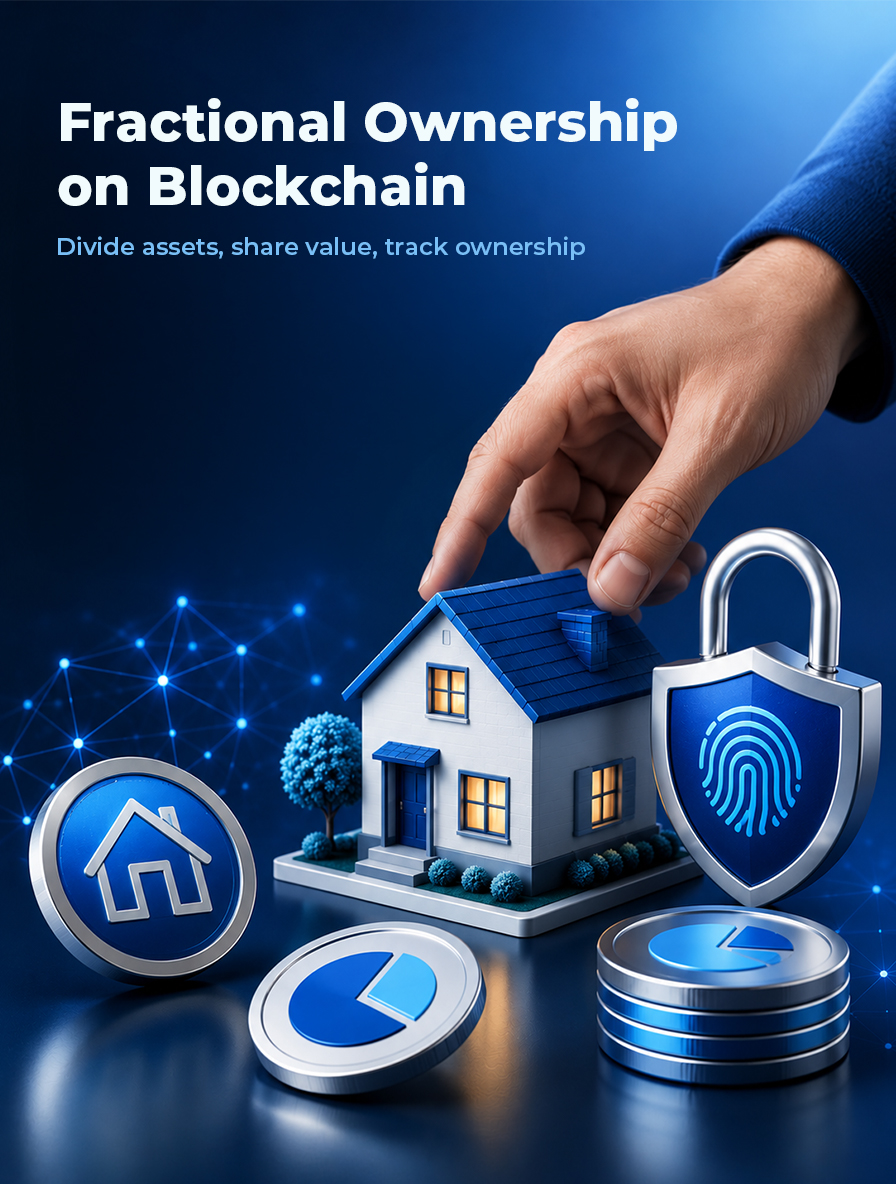
How fractional ownership on the blockchain works
The tech behind this is very clever and involves several steps that must happen in order. When you build a real estate tokenization platform, you are essentially creating a digital version of a legal contract.
- The Wrapper: First, a property is put into a special legal company (like an LLC). This company owns the building.
- The Minting: The shares of that company are turned into thousands of digital tokens on the blockchain.
- The Sale: Investors go to your Security Token Offering (STO) platform, pass their ID check, and buy tokens using a stablecoin (like digital dollars).
- The Smart Contract: A "Smart Contract" handles the rest. This contract is a piece of code that says, "If the building makes $10,000 in rent this month, send exactly $1 to every person who owns 1 token."
This happens without any human intervention. It's that simple. To get this right, you need to hire blockchain developers for real estate who know how to write safe code. You might even hire prompt engineers to help your team write better code faster and test for errors.
Best blockchain for real estate tokenization (Ethereum vs. Polygon)
Choosing the right "road" for your data is a huge decision. In 2026, most people choose between two big ones:
- Ethereum: This is the most secure and has the most "trust." It is where the biggest institutions keep their money. It is the best for very high-value properties like luxury hotels or office towers. However, it can be expensive to use when the network is busy.
- Polygon: This is a "Layer 2" system that sits on top of Ethereum. It is much faster, and the fees are very low, which is sometimes just a few pennies. This is perfect if you have a lot of small investors and you want to pay out small amounts of rent every month without losing money to fees.
When you hire smart contract developers, ask them which one fits your specific business plan. Often, a mix of both using Ethereum for security and Polygon for the daily rent payments is the best choice for a modern platform.
Integrating KYC/AML for security token offerings (STOs)
You cannot have a legal platform in the US without knowing who your users are. This is why KYC/AML compliance integration is the most important feature you will build. "KYC" means "Know Your Customer" (checking IDs), and "AML" means "Anti-Money Laundering" (making sure the money isn't from crime).
A good real estate tokenization development company will build this right into the sign-up process. The app will scan a user's passport or driver's license and check it against global lists. Once a person is verified, their digital wallet address is added to a "white list." The ERC-3643 token standard then allows that specific wallet to buy or sell tokens. This keeps the platform safe from bad actors and keeps you out of trouble with the SEC. It is also important to have a clear privacy policy to protect the data of your investors.
Final Verdict: The 2026 Vision for Real Estate
The tokenization of real-world assets is no longer a dream for the future, it is happening right now in 2026. It makes real estate easier to buy, easier to sell, and easier to manage. By using RWA tokenization software development, you are giving your business a huge advantage over competitors who are still stuck in the world of paper deeds and slow bank wires.
Don't leave your real estate equity locked up in old-fashioned paperwork. Hire blockchain developers for real estate who understand both the technology and the laws. This is the best way to turn your properties into a modern, digital asset that can grow your wealth faster than ever before. Whether you are a small startup or a large developer, the blockchain offers a level of efficiency that was impossible just a few years ago.
Ready to start your journey? The team at Netclues is here to help you build a secure and powerful tokenization platform. From writing smart contracts to setting up legal compliance and KYC, we handle the hard parts so you can focus on finding great properties. Visit Netclues today to get started on your 2026 real estate strategy and lead the market.
Real Estate RWA Tokenization FAQs: Everything You Need to Know in 2026
Q. 1. What is real estate RWA tokenization?
A. Real estate RWA tokenization is the process of converting ownership rights in a physical property into blockchain-based digital security tokens. It enables fractional ownership, improves liquidity, simplifies transactions, and allows investors to buy shares of high-value properties securely.
Q. 2. How does real estate tokenization work?
A. A property is legally owned by a business entity, and its ownership is represented by digital security tokens on a blockchain. Investors complete KYC verification, purchase tokens, and smart contracts automate ownership records, transfers, and income distributions.
Q. 3. How much does it cost to build a real estate tokenization platform?
A. A basic platform typically costs $50,000–$90,000, while a full-featured marketplace with smart contracts, KYC/AML, compliance, investor dashboards, and trading capabilities can cost $120,000–$250,000+.
Q. 4. Is real estate tokenization legal in the United States?
A. Yes. Real estate tokenization is legal when structured under securities regulations such as SEC Regulation D or Regulation S and includes proper legal documentation, investor verification, and compliance processes.
Q. 5. Which blockchain is better for real estate tokenization: Ethereum or Polygon?
A. Ethereum offers strong security and institutional trust, making it ideal for high-value assets. Polygon provides faster transactions and significantly lower fees, making it suitable for platforms with many investors and frequent transactions.
Q. 6. What are the biggest benefits of tokenizing real estate?
A. Tokenization increases liquidity, enables fractional ownership, attracts global investors, reduces paperwork, automates rental income distribution through smart contracts, and creates transparent ownership records.
Q. 7. What is fractional ownership in tokenized real estate?
A. Fractional ownership divides a property's value into digital tokens, allowing multiple investors to own a percentage of the property instead of purchasing the entire asset, making premium real estate more accessible.
Q. 8. Why is KYC/AML important for a real estate tokenization platform?
A. KYC (Know Your Customer) and AML (Anti-Money Laundering) processes verify investor identities, prevent fraud, ensure regulatory compliance, and allow only approved investors to buy or trade security tokens.
Q. 9. Can smart contracts automate rental income payments?
A. Yes. Smart contracts automatically calculate each investor's ownership percentage and distribute rental income or dividends directly to eligible digital wallets, reducing manual work and payment delays.
Q. 10. What are the biggest risks of real estate tokenization?
A. Key risks include regulatory changes, smart contract vulnerabilities, cybersecurity threats, legal complexities, and investor education. These risks can be minimized through secure development, audits, and compliance-first platform design.
Q. 11. Can startups build a real estate tokenization platform?
A. Yes. Many startups begin with a minimum viable product (MVP) that includes token issuance, investor onboarding, and compliance features before expanding into a complete investment marketplace.
Q. 12. How long does it take to develop a real estate tokenization platform?
A. A basic MVP generally takes 3–5 months, while an enterprise-grade platform with mobile apps, compliance modules, investor portals, and secondary trading features typically requires 6–12 months.
Q. 13. Is tokenized real estate better than investing through a REIT?
A. It depends on investment goals. REITs provide diversified exposure managed by professionals, while tokenized real estate offers direct ownership in specific properties, greater transparency, and flexible fractional investing.
Q. 14. What features should a modern real estate tokenization platform include?
A. Essential features include smart contracts, ERC-3643 support, investor dashboards, digital wallets, KYC/AML verification, payment gateways, compliance tools, reporting, document management, and secondary token trading.
Q. 15. Why should businesses choose Netclues for real estate tokenization development?
A. Netclues provides end-to-end blockchain development, secure smart contracts, KYC/AML integration, regulatory-ready architecture, scalable investor platforms, and ongoing technical support to help businesses successfully launch tokenized real estate solutions.