


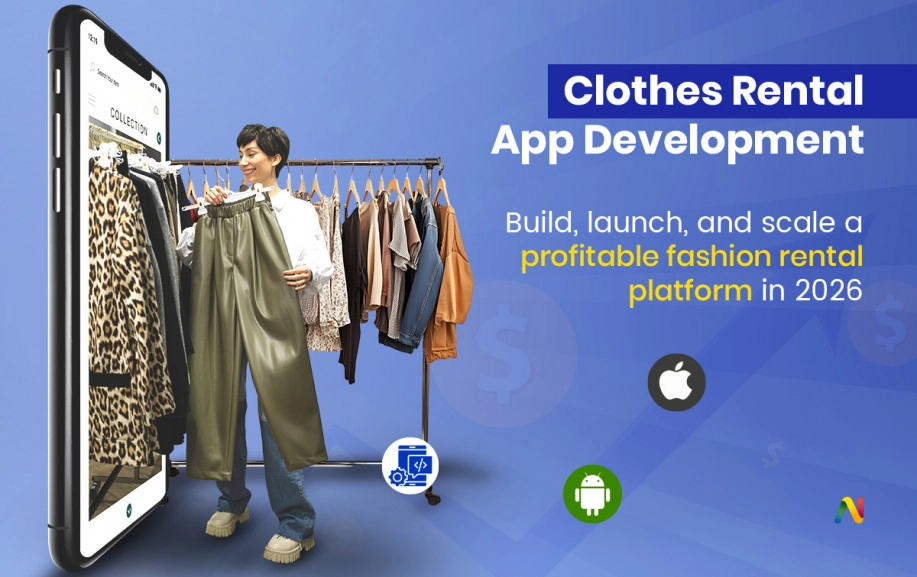
The world of fashion is moving at a very quick pace. For a long time, we all thought we had to own everything in our closets. But in 2026, things look very different. People are realizing that they don't need to own a $1,000 dress just to wear it once at a wedding. This shift in how we think is creating a huge opportunity. If you have ever thought about entering the world of fashion tech, now is the time.
Clothes rental app development is more than just making a shopping app. It is about building a system that lets people share high-end clothes easily. This is part of the "circular economy," where we use things more and waste less. It's better for the planet and better for our bank accounts.
Businesses are jumping into this because it works. Instead of selling a shirt once, you can rent it out 20 times. That is why so many people are looking to build fashion rental app platforms today. As an expert in this field, Netclues has helped many startups navigate these waters, ensuring they have the right tech to handle the tricky parts like cleaning and shipping.
What Is a Clothes Rental App?
A clothes rental app is a mobile platform where people can rent outfits instead of buying them. Think of it like a library, but for your wardrobe. You pick what you want, wear it for a few days, and then send it back.
How it works is simple:
- Find it: You look through the app for something you like.
- Book it: You pick the dates you need it.
- Wear it: The app sends it to your house.
- Return it: You put it back in the box and ship it back.
There are some big names that have already made this popular. Rent the Runway is the most famous one in the USA. They started with fancy dresses, but now rent everything. Le Tote is another one that uses a subscription model. In India, there are several providers serving in the space, helping people look amazing at weddings without spending a fortune.
Market Trends & Opportunities in Fashion Rental (2026)
If you want to stay ahead of the game, you have to look at the trends for 2026. The market is growing because our habits are changing.
- Circular Fashion is King: People really care about the earth now. Renting instead of buying new fast fashion is a big way to help.
- Subscription Power: Most users prefer to pay a monthly fee. This gives them a "closet in the cloud" that they can swap out whenever they want.
- AI Styling: Apps in 2026 are smart. They don't just show you clothes; they suggest what will look good on you based on your style and body type.
- Eco-Conscious Users: Shoppers are looking for brands that share their values. If your app talks about its green cleaning and recycled packaging, you will win more fans.
This is a great time for fashion rental app development because these trends are only getting stronger.
Types of Clothes Rental Apps
Not all rental apps are the same. Before you start, you need to decide which path you want to take.
App Type | How it Works | Best For |
Peer-to-Peer (P2P) | Regular people rent to each other. | Small startups with no inventory. |
Business-to-Consumer (B2C) | The company owns the clothes. | High-quality control and luxury. |
Subscription-Based | Pay a monthly fee for a set number of items. | Building a loyal, repeat customer base. |
Occasion-Based | Focus on weddings, proms, or big parties. | High-value, one-time rentals. |
Most successful businesses eventually use a mix, but starting with a clear niche is the smartest way to build a fashion rental app.
Must-Have Features of a Clothes Rental App
To make your app work, you need to think about three different people: the customer, the person selling or renting (if P2P), and you (the admin).
User Panel Features
The customer needs to find what they want fast.
- Easy Sign-up: Use social media so they can join in one click.
- Smart Search: Let them filter by size, color, and event.
- Rental Calendar: They need to see exactly when an item is free.
- Secure Pay: Nobody will use the app if they don't trust the payment.
- Real Tracking: They want to know exactly where their dress is.
Vendor Panel Features
If you let others rent their clothes, they need tools too.
- Add Products: Simple ways to upload photos and descriptions.
- Order View: A place to see who wants what and when.
- Money Tracker: They need to see how much they have earned.
Admin Panel Features
This is your "control room."
- User Management: Helping people who get locked out or have issues.
- Fee Control: Setting how much of a cut you take from each rental.
- Data Reports: Seeing which clothes are popular and which are not.
Advanced Features to Stay Competitive
In 2026, "basic" is not enough. You need some "wow" features to beat the competition.
- AI Recommendations: Using smart code to say, "Since you liked that blue dress, you'll love this one!"
- AR Virtual Try-On: This is the big one. Users can use their phone camera to "see" themselves in the clothes. This stops people from returning items that don't fit.
- Damage Protection: Selling a small "insurance" for $5 can save users from worrying about a small stain.
- Multi-Language: If you want to grow, you need to talk to everyone in their own language.
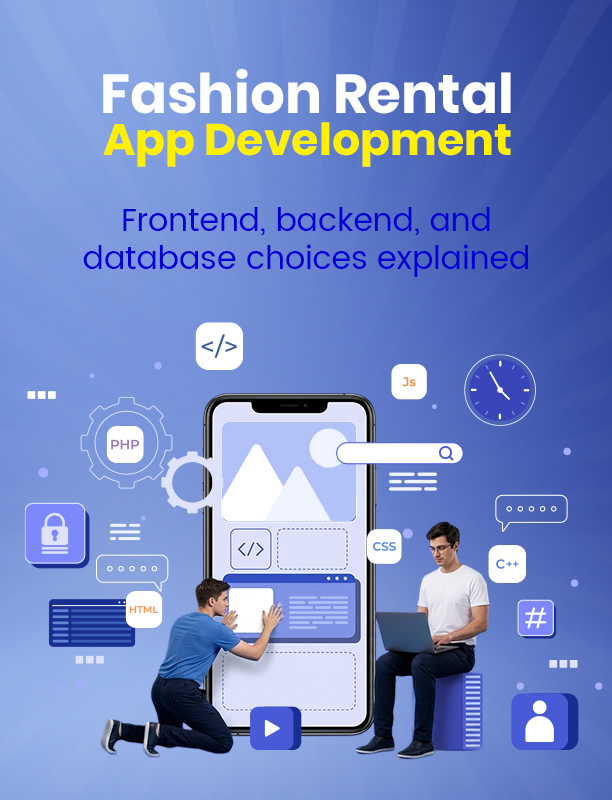
Technology Stack for Fashion Rental App Development
The "engine" under your app needs to be strong. You can't just guess which tech to use.
- The Front: React Native or Flutter are great. They let you make one app that works on both iPhones and Androids.
- The Back: Node.js is fast and reliable for handling thousands of users.
- The Brain: MongoDB is a great database because it handles all those pictures and descriptions easily.
- The Cloud: Use AWS or Google Cloud. This keeps your app online even when millions of people are using it at once.
When you hire mobile app developer teams, make sure they know these tools inside and out.
Cost to Develop a Clothes Rental App
This is the big question: how much money do you need? The fashion rental app cost depends on how many bells and whistles you want.
App Type | How it Works | Best For |
Peer-to-Peer (P2P) | Regular people rent to each other. | Small startups with no inventory. |
Business-to-Consumer (B2C) | The company owns the clothes. | High-quality control and luxury. |
Subscription-Based | Pay a monthly fee for a set number of items. | Building a loyal, repeat customer base. |
Occasion-Based | Focus on weddings, proms, or big parties. | High-value, one-time rentals. |
What changes the cost?
- Features: More features = more work = more money.
- Platform: Building for both iOS and Android costs more than just one.
- Team Location: If you hire a Mobile app development company in India, it usually costs much less than in the USA, even for the same quality.
Monetization Models for Fashion Rental Apps
How do you actually make money? There are a few clever ways.
- Rental Fee: You take a small cut (like 20%) from every single rental.
- Monthly Plans: Users pay $99 a month to rent three things at a time. This is the best way to get steady money.
- Late Fees: If someone keeps a dress too long, you charge them extra.
- Partnerships: Brands might pay you to show their new clothes to your users.
Benefits of Clothes Rental App Development for Businesses
Why should you do this? It's not just about being "trendy."
- Low Risk: You don't have to sell every item. One item can make money over and over.
- Steady Income: With subscriptions, you know exactly how much money is coming in next month.
- Eco-Friendly: You build a brand that people feel good about supporting.
- Scale Up: Once the app is built, you can add more cities and more clothes easily.
This is the power of clothing rental app development. It's a business model that scales.
How Netclues Helps Build a Scalable Fashion Rental App
At Netclues, we don't just write code. We help you build a business. We know that on-demand clothes rental app development is tricky. You have to think about cleaning cycles, shipping times, and keeping the app fast.
We offer Mobile app development services that cover everything from the first drawing of your app to the day it launches. Our team is focused on making sure your app looks beautiful and works perfectly every time. If you want to know how we work, check out our guide on the mobile app development process steps.
We have worked on everything from food delivery app development to helping people hire mobile app developers. We bring all that experience to your fashion project.
Conclusion
The fashion world is moving toward renting, and 2026 is the perfect time to join in. By building a scalable app, you are giving people what they want: style, sustainability, and savings. It's a win for everyone.
Building a fashion rental app like Rent the Runway is a big project, but with the right team, it's a journey worth taking. You need an app that is fast, looks great, and makes renting as easy as a single tap.
Looking to build a feature-rich clothes rental app? Contact Netclues today for a free consultation and a cost estimate. Let's build something amazing together.
FAQ: Common Questions
Q. 1 How much does it cost to build a clothes rental app?
A. It usually starts around $15,000 for a basic version and can go over $60,000 for an app with AI and AR features.
Q. 2 How long does it take to develop a fashion rental app?
A. A simple version can take 3 to 4 months. A very complex app might take 6 to 9 months to get everything perfect.
Q. 3 Is a clothes rental app profitable?
A. Yes! Because you can rent out the same item many times, the profit margin is much higher than traditional retail.
Q. 4 What is a clothes rental app?
A. A clothes rental app allows users to rent clothing for a specific period instead of purchasing it. Customers can browse items, choose rental dates, receive the garments, and return them after use through a streamlined mobile experience.
Q. 5 How much does it cost to develop a clothes rental app?
A. Development costs typically range from $15,000 to $100,000+, depending on features, platforms, integrations, inventory management requirements, AI recommendations, AR try-on functionality, and overall project complexity.
Q. 6 How long does it take to build a fashion rental app?
A. An MVP can usually be developed in 3–4 months. More advanced platforms with subscription management, AI personalization, vendor portals, and logistics integrations may require 6–9 months or longer.
Q. 7 What are the most important features in a fashion rental app?
A. Core features include user registration, product catalogs, rental scheduling, secure payments, inventory management, order tracking, notifications, reviews, and admin dashboards. Advanced features often include AI styling and AR virtual try-ons.
Q. 8 Is a clothes rental app profitable?
A. Yes. Fashion rental businesses can generate recurring revenue by renting the same inventory multiple times, offering subscription plans, charging late fees, and partnering with fashion brands.
Q. 9 What business model works best for a fashion rental platform?
A. Subscription-based and business-to-consumer (B2C) models are among the most successful because they create predictable recurring revenue while maintaining inventory quality control.
Q. 10 Can AI improve fashion rental apps?
A. Yes. AI can provide personalized outfit recommendations, size predictions, style matching, demand forecasting, and customer behavior analysis, helping improve user engagement and retention.
Q. 11 What technology is used to build fashion rental apps?
A. Popular technologies include Flutter or React Native for mobile apps, Node.js for backend development, MongoDB for databases, and AWS or Google Cloud for scalable cloud infrastructure.
Q. 12 How do fashion rental apps handle inventory management?
A. Most platforms use inventory tracking systems that monitor item availability, rental periods, cleaning cycles, repairs, returns, and warehouse locations in real time.
Q. 13 Why are fashion rental apps growing in popularity?
A. Consumers are increasingly interested in sustainability, affordability, and access to premium fashion without ownership costs. The growth of the circular economy has accelerated adoption worldwide.