



In 2026’s fast-evolving digital health space, launching a medical platform means building a secure, clinical-grade system, and not just writing code. With the high stakes involved, comparable to the legal complexities of medical malpractice, the software powering this industry is among the most high-value assets a healthcare provider can own.
Whether you are a startup aiming to disrupt the market or a large hospital system looking to modernize, understanding the Telemedicine app development cost and the regulatory hurdles of HIPAA-compliant app development is the first step toward a successful launch.
Building a telemedicine app is not just about adding video calls. It requires deep knowledge of healthcare workflows, patient data security, and compliance frameworks. Teams with real-world experience in healthcare technology can anticipate risks early and design systems that scale safely and efficiently.
Cost to build a telemedicine platform in 2026
The Doctor on demand app price has significantly shifted over the past few years as user expectations for video quality and data integration have skyrocketed. In 2026, an MVP starts around $50,000, while enterprise platforms often exceed $300,000.
Telemedicine app development requires a balance of cost planning, HIPAA compliance, and scalable technology. By focusing on security, integration standards, and future-ready features, healthcare providers can build reliable platforms that improve patient care and drive long-term growth.
There are certain factors that collectively influence the final Telemedicine app development cost, like the geographic location of the Telemedicine app development company and the complexity of the features that you choose. For example, a platform that is focused just on video calls turns out to be much more affordable than one that includes advanced Remote Patient Monitoring (RPM) and AI-driven diagnostics.
You’re not just budgeting for an app, but are investing in a secure, powerful backend for data, video, and medical workflows. Many organizations choose to hire healthcare app developers who specialize specifically in this niche to ensure the foundation is solid from day one.
How to ensure mobile app HIPAA compliance?
In the United States, HIPAA is the gold standard for patient privacy. Any Doctor on demand app development project must have these safeguards baked into the architecture rather than added as an afterthought. Failing to achieve HIPAA-compliant app development can result in severe legal penalties and a total loss of brand reputation.
Healthcare apps operate in a highly regulated environment. Following standards like HIPAA, HL7, and FHIR ensures your platform is secure, interoperable, and trusted by providers. Without these, even a well-designed app may fail to gain adoption in clinical settings.
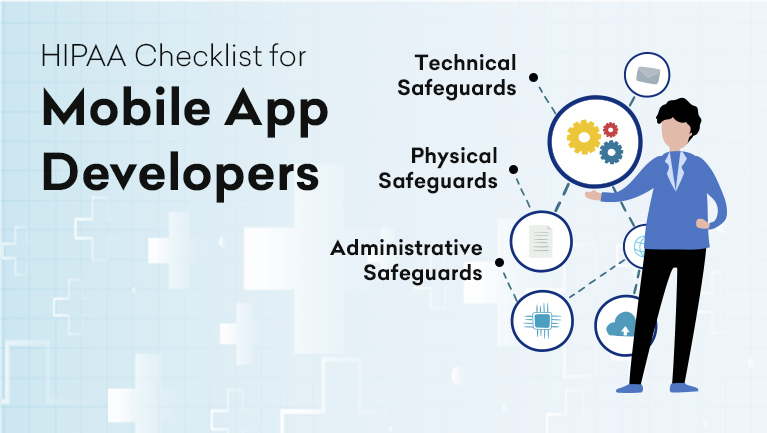
To ensure your app is compliant, your Healthcare software agency must focus on three primary safeguards:
Technical Safeguards
The technical safeguards comprise end-to-end encryption for all data "at rest" and also "in transit." It further requires unique user IDs and automatic log-off features to be able to prevent unauthorized access.
Physical Safeguards
Ensuring that the cloud servers (like AWS or Azure) where the data is stored are physically secure and managed under a Business Associate Agreement (BAA).
Administrative Safeguards
Implementing strict internal policies on who can access patient records and conducting regular training for all staff.
If you plan to expand your services globally, you must also account for GDPR compliance (for Europe). While HIPAA focuses on health records, GDPR is a broader data privacy law that requires explicit user consent and provides patients with the "right to be forgotten."
Telehealth app maintenance costs
A common mistake in Custom telehealth software development is failing to budget for the "day after" launch. A medical app is a living product. As mobile operating systems get updates and new security threats emerge, a platform requires constant attention.
Typically, the annual Telehealth app maintenance costs range between 15% and 20% of the initial development price. This budget covers:
- Security Patches: Keeping the app safe from new vulnerabilities.
- Server Hosting: Scalable cloud costs as your patient base grows.
- API Updates: Ensuring that your WebRTC video consultation and payment gateways continue to function after third-party updates.
- Compliance Audits: Regularly verifying that the app still meets shifting legal standards.
Integrating wearables with telemedicine apps
The future of healthcare is proactive, not reactive. This is being driven by the IoMT (Internet of Medical Things). Patients in the digital age are relying on smartwatches, patches, and even smart scales to track their health metrics. Integrating these devices into your platform allows for real-time Remote Patient Monitoring (RPM), which can significantly improve patient outcomes.
By utilizing mHealth app development services, providers can receive automated alerts if a patient's heart rate or glucose levels reach a dangerous threshold. However, this integration adds complexity to the Telemedicine app development cost. The app must be able to securely ingest, process, and display data from dozens of different device manufacturers without lagging.
Hidden Costs in Telemedicine Development
Whenever you are performing a review on the quotes from a Telemedicine app development company, always look closely at the "hidden" technical requirements that often drive up the final bill.
EHR Integration and Interoperability
Connecting your app to existing hospital systems like Epic, Cerner, or Allscripts is essential for clinical use. To perform this well, your team must use HL7 and FHIR standards. These particular protocols ensure that patient records, lab results, and histories move securely between systems.
- Estimated Cost: Integrating a single EHR system typically costs between $15,000 and $30,000.
Video APIs and Infrastructure
Most developers use third-party APIs like Twilio or Vonage for WebRTC video consultation. Though such specific services are considered extremely secure, they often operate on a specific "pay-per-minute" model. As your user base scales, the usage fees can further become a significant recurring expense.
Malpractice Insurance and Legal Features
To protect providers, the app needs built-in audit logs that record every interaction and digital consent forms for every consultation. These features are critical for legal protection but require extra development time to ensure they are tamper-proof.
Security audit costs for medical apps
Because you are dealing with sensitive PHI (Protected Health Information), a standard "bug check" isn't enough. You must invest in professional penetration testing and security audits.
The Security audit costs for medical apps can literally range from $5,000 to over $40,000 per year. These audits involve "ethical hackers" attempting to break into your app to find weaknesses before a malicious actor does. Many hospitals will refuse to use your software if you cannot provide a fresh, successful security audit report.
White-label telemedicine vs. custom development
If the Telemedicine app development cost for a bespoke system is out of reach, you might consider a white-label solution.
- White-label Telemedicine: You buy a pre-built app and "skin" it with your logo. It is fast and cheap upfront. However, you are often stuck with a generic feature set and may struggle to add unique integrations like specific IoMT devices later.
- Custom Telehealth Software Development: Here, you build a platform from scratch, and it is tailored to your specific clinical workflow. While it takes longer and costs more, it clearly provides a massive competitive advantage and allows for better long-term scalability.
For most established medical groups, Custom telehealth software development is the preferred route because it allows for deeper HL7 and FHIR standards integration and a more personalized patient experience.
Key Takeaways: Building for the Future of Healthcare
Developing a telemedicine app in the year 2026 is a bit complex, but a highly rewarding investment. By focusing on HIPAA-compliant app development, prioritizing the HL7 and FHIR standards, and also leveraging the power of IoMT, you can design a platform that would change lives.
Whether you need to hire healthcare app developers for a new startup or seek a long-term Healthcare software agency partner, the goal remains the same: provide high-quality care that is as secure as it is accessible.
Innovate Your Healthcare Vision with Netclues
Navigating the precise intersection of medicine and technology needs much more than a vendor. It actually needs a partner who can deeply understand the high-stakes nature of this particular industry. Netclues holds expertise in mHealth app development services that deeply prioritize security, scalability, and seamless user experiences.
- Healthcare Mobile App Development
- Healthcare IT Solutions
Contact Netclues Today to Discuss Your Telemedicine Project and Get a Custom Budget Estimate
FAQs for Telemedicine App Development: Costs, Compliance & Strategy
Q.1. What is the cost to build a telemedicine app in 2026?
A. The cost to build a telemedicine app in 2026 typically ranges from $50,000 for a basic MVP to over $300,000 for enterprise-level platforms. Pricing depends on features like video calls, integrations, security, and scalability requirements.
Q.2. Why is HIPAA compliance important for telemedicine apps?
A. HIPAA compliance ensures patient data is protected and handled securely. Without it, healthcare apps risk legal penalties, data breaches, and loss of trust. It’s essential for any app dealing with sensitive medical information in the U.S.
Q.3. How can I make my telemedicine app HIPAA compliant?
A. To ensure HIPAA compliance, implement strong encryption, secure user authentication, automatic logouts, and strict access controls. You also need secure cloud hosting and internal policies to manage patient data safely.
Q.4. What factors affect telemedicine app development cost?
A. Key factors include app complexity, feature set, integrations like EHR systems, developer location, and security requirements. Advanced features like AI diagnostics and remote patient monitoring significantly increase overall costs.
Q.5. What are telehealth app maintenance costs?
A. Telehealth app maintenance costs usually range between 15% and 20% of the initial development cost annually. This covers updates, bug fixes, server hosting, security patches, and compliance audits.
Q.6. What is the difference between white-label and custom telemedicine apps?
A. White-label apps are pre-built and quicker to launch, but offer limited customization. Custom apps are built from scratch, allowing full control, better scalability, and tailored features, though they require higher investment and time.
Q.7. How long does it take to develop a telemedicine app?
A. A basic telemedicine app can take 3 to 6 months to develop, while a complex, enterprise-grade solution may take 9 to 12 months or more, depending on features, integrations, and compliance requirements.
Q. 8. What are the hidden costs in telemedicine app development?
A. Hidden costs include EHR integration, video API usage fees, compliance audits, legal features, and third-party services. These can significantly increase your total budget if not planned early.
Q. 9. How do wearables impact telemedicine apps?
A. Wearables enable real-time patient monitoring by sending health data directly to the app. This improves care quality but adds complexity, requiring secure data processing and integration with multiple devices.
Q. 10. What is EHR integration in telemedicine apps?
A. EHR integration connects your app with hospital systems to access patient records, history, and lab results. It uses standards like HL7 and FHIR to ensure secure and smooth data exchange.
Q. 11. Are security audits necessary for healthcare apps?
A. Yes, security audits are critical. They identify vulnerabilities and ensure patient data is protected. Many healthcare providers require regular audit reports before using any telemedicine platform.
Q. 12. What technologies are used in telemedicine app development?
A. Common technologies include WebRTC for video calls, cloud platforms like AWS or Azure, APIs for payments and communication, and standards like HL7 and FHIR for healthcare data exchange.
Q. 13. Is telemedicine app development a good investment?
A. Yes, telemedicine is a growing industry with high demand. A well-built, compliant app can improve patient access, streamline operations, and create long-term revenue opportunities for healthcare providers.